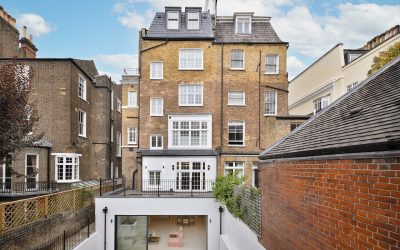
In the UK, it is possible to build a rear extension to a terraced, semi-detached, or detached house under permitted development rights as long as the construction complies with a variety of pieces of legislation, which includes rules on size, materials, and location.
Failing to comply with these rules can result in significant fines, so it is important to make sure that the changes you plan to make to your property are incontestable before you start construction. Whilst you may not need planning permission for your home improvement project, it is still recommended to consult with planning experts and to secure a lawful development certificate to be certain of compliance.
Here are the elements you need to consider when trying to determine whether your rear extension would be considered a permitted development.
Permitted height of a rear extension
The maximum height of a single-storey rear extension is 4m and should be no higher than the existing house to fall within permitted development. If the extension is within 2m of the boundary walls of your property, like many in London, then the maximum height of your eaves should be no higher than 3m.
Permitted depth of a rear extension
A single-storey rear extension must not extend beyond the rear wall of the original house by more than 8m for detached houses, or 6m for any other type of house, including terraces. If your house sits on designated land, these restrictions are reduced to 4m and 3m respectively.
Size of the extension vs the surrounding area (curtilage)
The “curtilage” of your property refers to the area of land your house sits on, including the building, garden, and any walkways. To fall within permitted development rights, a rear extension should not cover more than 50% of curtilage of the original property.
Permitted materials on rear extensions
When designing your rear extension you should use materials that are similar in appearance to the existing house to comply with permitted development regulations.
You can use different materials to the original property as long as they are visually similar, such as using wood-appearance uPVC sash windows instead of real wooden sash windows. However, adding uPVC casement windows when the rest of the property has wooden sash windows, or using wooden cladding for the facade of the extension when the rest of your property is red brick would not be allowed.
The goal of the rules around materials are to keep the property looking complimentary and attractive with consideration given to the original and neighbouring properties. And if you are unsure whether your choice of materials will comply, then you should get confirmation with a Lawful Development Certificate to ensure there will be no issues.
Permitted developments vs highways
In general, you need to obtain planning permission for any extension that would result in it being closer to “fronting” a public highway, which includes footpaths, road, dual carriageways, and motorways. However, rear extensions are built in your existing garden and so never “front” a highway and so this rule is not relevant.
Permitted development vs designated land
Designated land (Article 2(3)) includes national parks and the Broads, Areas of Outstanding Natural Beauty, conservation areas, World Heritage Sites, and green belt land. You still have some permitted development rights when building rear extensions to properties on designated land, but your options are further limited.
You cannot build extensions of more than one storey on designated land and any extension must not extend beyond the rear wall of the original house by more than 4m for a detached house or 3m for any other type of house. You also cannot use exterior cladding on your extension if built on designated land.
Permitted development for two-storey rear extensions in London
Most rear extensions tend to be single storey projects, but it is also possible to build two-storey rear extensions as long as some additional rules are followed and your property is not on designated land.
The extension cannot extend further than 3m beyond the rear of your property and cannot be within 7m of your property’s boundary. The extension also cannot be taller than your house and should match the pitch and materials of the original property as closely as possible.
If the extension includes windows in an upper-floor side elevation, they must be obscure-glazed and either non-opening or more than 1.7 metres above the floor level. You also cannot add a balcony or veranda under permitted development.
Listed buildings
No matter whether your project requires planning permission or not, if you want to alter or extend a listed building in any way that affects its character then you will need to obtain listed building consent from your local planning authority.
Should you secure a Lawful Development Certificate?
A Lawful Development Certificate is a formal legal document from a local planning authority (LPA) that confirms a development, use of land, or operation is “lawful” for planning purposes, meaning it doesn’t require planning permission. It can provide peace of mind about the project and protect you from any complaints about the extension in the future.
Are you looking to build a rear extension to your London property?
If you are looking to build a rear extension to your London property and are unsure of whether it would be considered a permitted development, call Good London Builders today to get expert help with the entire project from planning to completion. Call us today on 0207 978 5097 or contact us online.